Most workplaces speak about fire wardens as if the duty is a single work. In technique, emergency situation feedback inside a building functions best when duties are split in between wardens that manage floor‑level actions and a chief warden who coordinates the whole occurrence. The difference matters the minute an alarm seems. One concentrates on individuals and places they understand by view. The various other checks out the entire website, chooses under time stress, and liaises with the fire solution. When those two duties are clear, drills run cleanly and real emptyings stay clear of the time‑wasting confusion that brings about injuries.
This overview unpacks the day‑to‑day obligations of a fire warden and a chief warden, the training paths like PUAFER005 and PUAFER006 that underpin skills, and the practical details that help an office follow requirements while constructing a tranquility, capable Emergency Control Organisation.
The Emergency situation Control Organisation, described by experience
An Emergency Control Organisation, often reduced to ECO, is the organized team within a facility that takes cost throughout an emergency situation. The ECO is not a theoretical chart on a wall surface. In a real-time evacuation, it ends up being an easy chain of activity and details. Fire wardens sweep areas, control doors, and help individuals out. A chief warden regulates from a control point, confirms alarms, rises or de‑escalates feedbacks, and connects with very first -responders. Communications, timing, and clear role implementation choose whether the procedure really feels organized or chaotic.
In Australian work environments, the national expertise units anchor this structure. PUAFER005, https://www.firstaidpro.com.au/course/puafer005/ labelled Operate as part of an emergency control organisation, constructs the structure for wardens. PUAFER006, Lead an emergency control organisation, creates the leadership and sychronisation abilities needed for the chief warden and deputies. Whether you are a facility supervisor in a high‑rise, a safety and security lead in a storage facility with turning shifts, or a school business manager, these units shape both first training and refreshers.
What a fire warden in fact does
A great fire warden is part precursor, component guide. They know their area's layout, the most likely traffic jams, and who may struggle to evacuate. They also manage the initial vital choices when a smoke detector or hand-operated telephone call factor causes an alarm.
Before an occurrence, experienced wardens stroll their patch consistently, not just during annual drills. They find out which doors often jam, which stair footsteps hang, and where brand-new furniture has actually crept right into egress routes. They keep a quiet eye on fire extinguishers, signs, emergency situation lighting, and the status of first aid kits. While formal examinations are normally taken care of by facilities or contractors, wardens are the ones that discover early and report problems promptly. They also aid recognize flexibility requirements and establish individual emergency discharge plans for team or frequent visitors that need assistance.
During an alarm, the warden switches to job mode. They examine the nearby info factor or panel repeat indicator for guidelines. If the website utilizes staged alarm systems, they validate whether to check out or evacuate. They browse their area, relocating with function however not running, calling out areas, checking bathrooms and storage places, and directing people to the proper leave. They stay clear of getting bogged down in minor tasks. If a tiny, incipient fire is risk-free to assault with a neighboring extinguisher, they may do so, however only when it will certainly not put them at risk and only after calling for assistance. They avoid people re‑entering, close doors behind them to restrict smoke spread, and report standing to the principal warden.
After an emptying, a warden does a head count based on roll or location understanding, keeps in mind any kind of missing out on individuals, and reports to the setting up location controller. If a person refused to leave, or if a secured door hindered the sweep, the warden states so simply. Clear, blunt reporting aids the chief warden and firemens prioritize their next moves.
The PUAFER005 course trains these practices. It is useful deliberately: recognizing alarms, moves and searches, using fire devices, helping people with handicaps, and functioning within the ECO structure. When a training provider provides PUAFER005 well, individuals spend even more time relocating and choosing than sitting through slides. Scenarios aid individuals find out the unpleasant little bits like telling a supervisor to leave the structure throughout a real-time customer meeting.
The chief warden's duty, and why it really feels different
If fire wardens are the legs of the ECO, the chief warden is the head. This role takes the broad view and makes calls that impact the whole website. It calls for calm under unpredictability and a determination to choose with insufficient information.
When an alarm triggers, the chief warden heads to the control factor, generally a fire control space, warden intercom panel, or a marked workstation near an emptying layout. They check out the fire indicator panel, validate the area, and direct wardens to explore if the website's emergency situation strategy enables. They start presented discharge if required. They call Triple No if the alarm is validated or if there is any uncertainty and the threat requires it. They coordinate with structure monitoring, safety and security, and plant drivers. During emptying, they monitor communications, track which floors have been gotten rid of, and readjust methods if stairs are obstructed or smoke changes patterns as a result of HVAC.
A skilled chief warden knows how to compress communications. They ask for particular details: location clear, individual missing, hazard noted, or fire observed. They do not hold the radio switch down with lengthy speeches. They additionally recognize when to escalate. Duds take place, but awaiting certainty wastes the minutes that count. Most principal wardens I have trained claim the very first actual occurrence educated them to take small, very early actions even while gathering more detail.
The chief warden's responsibilities do not end at the assembly location. They validate headcount, liaise with the fire solution on arrival, turn over a concise circumstance record, and step back when the case controller from the authority presumes control. They continue to be offered, usually supplying information concerning developing systems, keypad areas, FIP areas, roof covering gain access to, and any type of special threats like gas cylinders, batteries, or server rooms with tidy representative suppression.
The PUAFER006 course concentrates on this leadership layer. Its full title, Lead an emergency control organisation, mean the emphasis on command existence, structured decision‑making, and interaction under pressure. A good PUAFER006 course puts a radio in your hand, gives you a noisy, unclear circumstance, and forces you to series activities while remaining intelligible. It should also cover handover to emergency situation services and post‑incident debriefing.
Hat colours and aesthetic identifiers
People ask about fire warden hat colour more frequently than you may expect. High‑visibility headgears, caps, or vests aid spectators spot leaders in a crowd. Conventions vary somewhat by region and industry, but typical practice in Australia follows this pattern. Fire wardens wear red helmets or red vests. The chief warden uses white. Replacement chiefs or interactions policemans often use white with identifying markings or occasionally yellow. If you require a fast memory help, consider a fire engine for wardens and a white commander's automobile for the chief.
If a person asks, what colour helmet does a chief warden wear, the plain answer is white. The function is clearness, not style. In a loud loading dock or an institution oval full of trainees, that white safety helmet or white chief warden hat helps people recognize whom to come close to for instructions. Many organisations likewise use arm bands for workplaces where headgears really feel out of location. Whatever you choose, correspond and keep the equipment. A scratched sticker label on a discolored cap does not inspire self-confidence throughout a genuine incident.
Staffing the ECO: numbers, shifts, and coverage
How several wardens do you need? The solution depends upon floor location, risk account, occupancy, and shift patterns. The goal is protection, not arbitrary ratios. In a lot of multi‑storey workplaces, a floor warden per tenancy or per area works, supported by wardens at each stairwell and lobby. Storage facilities with big floor plates need insurance coverage near high‑risk locations like battery billing stations and product packaging lines. Colleges allot wardens per block and play area areas. Hospitals run a more intricate version as a result of person activity constraints.
Think in layers. First, see to it each location can be brushed up promptly. Second, make certain redundancy. People take leave or relocate functions. Third, cover shifts. If you have a night shift with ten team, you still require a warden and a clear line to a chief warden or an on‑call case leader. Training lineups should show this fact. One of the most usual failing I see is a site with 5 experienced wardens theoretically, but just one is ever present on a typical day.
Fire warden demands in the workplace
The core need is competence backed by training, not a tick‑box certification alone. That indicates finishing a fire warden course aligned to PUAFER005, joining regular drills, and being listed in the ECO with up‑to‑date contact details. Companies ought to record the emergency strategy, evacuation diagrams, warden roles, and equipment places. They must additionally sustain refresher courses. A practical tempo is yearly drills and refresher course training every 1 to 2 years, readjusted by threat and turnover.
Fire warden training requirements likewise include familiarity with your specific structure systems. A warden trained generically but unfamiliar with your fire panel's resemble display screen, your door hardware, or your haven areas will certainly hesitate at the wrong minute. Walk the site with brand-new wardens. Program them specifically where the external setting up area rests about wind and web traffic. If you share a site with other renters, coordinate. Blended messages over a common system can undo great preparation.
Chief warden needs and readiness
Chief wardens must complete PUAFER006 or an equal chief warden course that maps plainly to that expertise. They require a replacement, and often a second replacement for big or intricate websites. They must be included in more comprehensive service connection planning because discharge may be one branch of a bigger event. Turning is smart. Construct a little bench of people that can step into the chief duty when the key is away. Throughout drills, swap roles periodically so replacements get time in the hot seat.
Because the chief warden deals with external interaction, created and spoken clearness issues. I typically suggest short radio drills: two minutes at the start of a team meeting, a fast circumstance, then a reset. In 3 months, your ECO will certainly seem like a practiced crew instead of a worried group stumbling over the push‑to‑talk.

Training paths: PUAFER005 and PUAFER006, and just how to use them well
The PUAFER005 course, Operate as part of an emergency control organisation, suits wardens and area managers who need to act emphatically in their instant atmosphere. It covers alarm systems, discharge procedures, human behavior, standard firefighting equipment, and teamwork within the ECO. A quality shipment includes sensible walk‑throughs and hands‑on operation of hand-operated call factors, extinguishers, and door release systems. Assessment must feel like demonstration rather than a scholastic quiz.
The PUAFER006 course, Lead an emergency control organisation, improves that. It thinks PUAFER005 understanding and afterwards layers leadership, communication, and incident sychronisation. Expect scenario deal with altering information, rising guidelines, and time stress. The most effective programs consist of a debrief that explains not only errors however additionally where choices were sound given the details readily available at the time. That mindset aids leaders avoid paralysis in real events.
Many carriers bundle these right into an emergency warden course stream so wardens can upskill to chief warden training later on. Select a supplier that understands your sector. A circulation centre with dangerous goods has various rhythms than a college school. Ask exactly how they tailor scenarios.
Comparing duties with a functional lens
The simplest method to understand the distinction in between fire warden and chief warden is to check out choices they make in the very first 5 mins. A fire warden makes a decision which path to take, who needs aid, and whether a little fire can be torn down safely. A chief warden chooses when to intensify from sharp to emptying, which floorings move initially, and when to call emergency services if the panel data is ambiguous. Both roles rely upon trust fund. The chief has to trust wardens' records. Wardens have to trust the principal's timing.
A story shows the point. In a multi‑tenant workplace tower, a scent of burning plastic stumbled an alarm system on degree 13. The floor warden examined the server room and found an overheated power supply with light smoke however no noticeable flame. The chief warden, hearing that report, got a presented evacuation. He held degree 15 in place to stop stairwell congestion, sent a runner to close down the a/c to stop smoke spread, then called Three-way Zero. By the time firemans got here, the server shelf had actually cooled with an extinguisher and the situation continued to be had. The selection to hold a flooring seemed strange to some passengers, yet it maintained the stairwells clear for the reacting team. That decision comes from a chief warden trained to believe in layers rather than a single floor view.
Equipment: radios, panels, and practicalities
In a loud emergency situation, radios defeat smart phones. Equip wardens with UHF radios pre‑programmed to a devoted channel. Supply spare batteries at the control point. Run a quick radio check prior to a planned drill so individuals recognize exactly how their devices behave. Maintain communications short and certain. "Level 4 eastern wing clear, one movement aid headed to Staircase B" informs a chief warden what matters.
Every ECO should have access to building details that makes handover to firemans smooth. That consists of a present website strategy, dangerous products register, keys to plant spaces, and a listing of crucial shutoffs. If you handle a site with facility systems like gas reductions in a data centre or lithium battery storage, offer the chief warden a basic laminated rip off sheet to recommendation under stress and anxiety. It is not about memorising every detail. It is about making the ideal activity evident at the appropriate time.
Human actions, the part training have to respect
People seldom act like the layouts in emptying posters. Some will certainly wish to finish an e-mail. Others will attempt to use lifts. Supervisors occasionally think twice to desert conferences with clients. The warden's silent confidence and existence changes outcomes. A firm voice, clear directions, and eye contact matter more than you think. Respect that some individuals panic. Match them with calmer colleagues. Anticipate that one or two will head to their auto out of practice. Terminal a warden at the parking area entrance if your format urges that impulse.
Chief wardens must anticipate fragmented reports and make room for them. During a drill at a manufacturing plant, I watched a chief warden ask, "What do you require?" instead of "What is your standing?" The reply shifted from an obscure "We're virtually clear" to "We need a second person to help relocate an employee on props." The ideal question created the appropriate action.
Colour, identification, and chairing the assembly
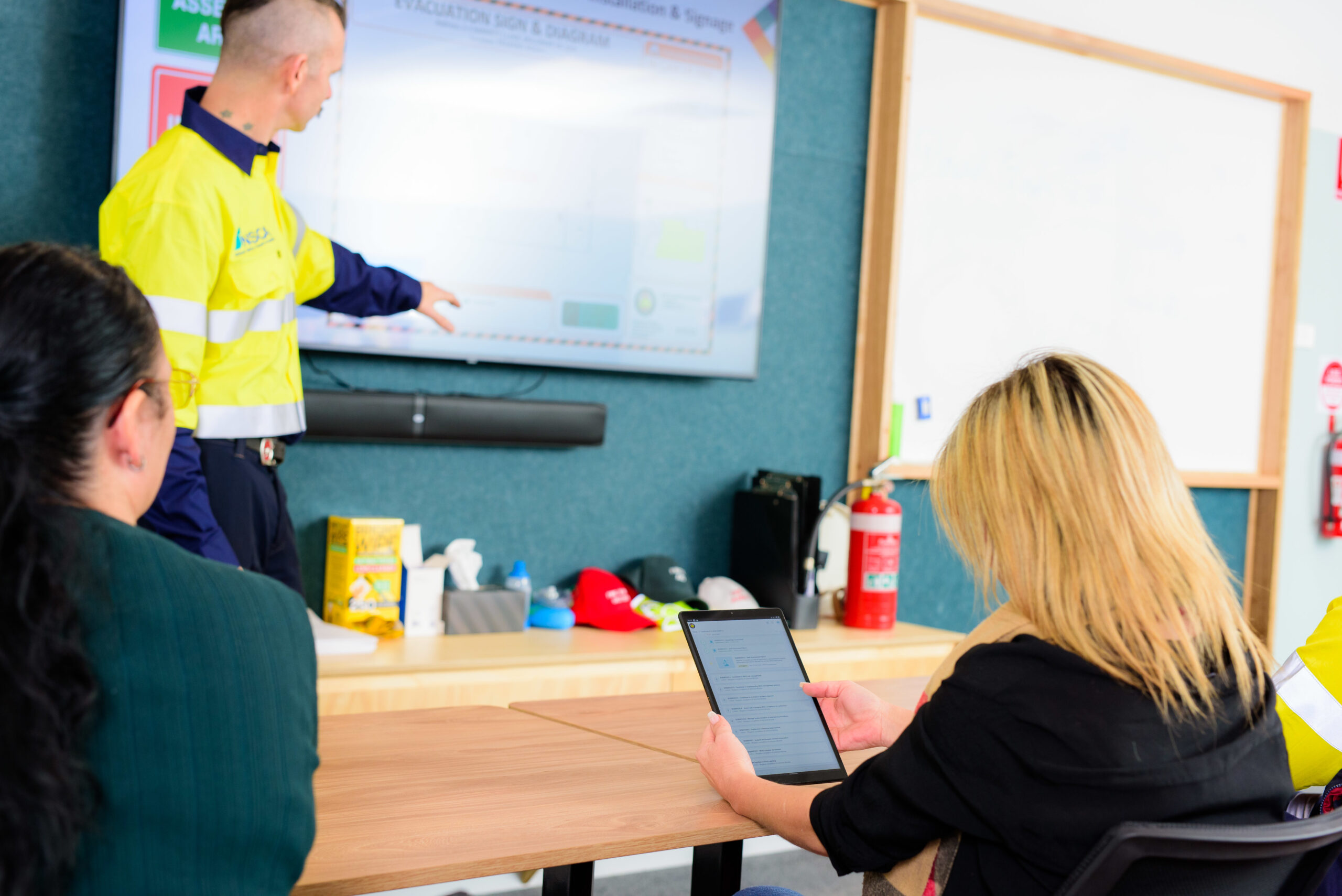
At the assembly area, visual identifiers continue to be essential. The chief warden in white must stand near the assembly indication, ideally on a mild elevation if offered, so they become a prime focus. Area wardens in red team their teams, run a quick count, and feed numbers up. Nothing drags a drill out like silence on the radio while individuals wait on approval to report. Instruct wardens to speak when ready. A brief, crisp "Advertising and marketing 22 accounted for, one going to service provider unknown, likely left website thirty minutes ago" is far better than a mumbled headcount without context.
Common challenges and just how to prevent them
- Overreliance on a single person: If your chief warden is a solitary factor of failing, routine a deputy right into every drill and give them time at the controls. Equipment experience gaps: New panels, brand-new intercoms, or a recent repair can turn confident people unsure. Do a 15‑minute show‑and‑tell after any change. Assembly location drift: If the designated area becomes harmful as a result of website traffic or building, upgrade representations and signs swiftly. Do not rely on verbal updates alone. Forgotten specialists and site visitors: Sign‑in systems are only comparable to the process at evacuation. Train function to bring a visitor list and ensure wardens know how to search spaces visitors frequent. False alarm complacency: After a couple of annoyance alarm systems, individuals tune out. Counter this by varying drill situations, sharing short occurrence understandings, and keeping monitoring assistance for prompt evacuations.
Selecting and sustaining wardens
Not everyone takes pleasure in guiding others under tension. When picking wardens, search for constant personality, excellent expertise of the area, and reputation amongst coworkers. Seniority aids but is not important. A few of the very best wardens I have actually seen are mid‑level team that understand every corner of their flooring and have the patience to shepherd individuals without flaring tempers.
Support them with time and acknowledgment. Put warden duties in work descriptions. Tell new hires that the wardens are. Post their names and photos near discharge diagrams. Change old vests and radios without quibbling. If somebody does an excellent job throughout a drill or a genuine occurrence, claim so openly. That little motion develops a culture where individuals volunteer as opposed to dodge the responsibility.
The training cadence that in fact works
A practical pattern looks like this. Wardens finish a fire warden course lined up to PUAFER005, with sensible exercises on website. Chief wardens and replacements complete the PUAFER006 course and run a brief inner situation once a quarter. The website runs 2 official evacuations a year, one with advancement notice to minimize interruption and one shock to examine readiness. After each, hold a 15‑minute debrief. Record three things that went well and three things to change. Appoint proprietors to fixes. Keep the loophole tiny and tight so modifications happen prior to the following drill.
If you need a connecting option between programs, run a short warden training refresh concentrating on a solitary ability, like utilizing fire extinguishers or radio brevity. Micro‑drills build self-confidence without thwarting operations.
Pathways and progression for individuals
Many individuals start as wardens and move into the chief duty after a year or two. That development makes good sense. PUAFER005 grounds them in the usefulness. PUAFER006 then expands their lens. A chief warden course is an excellent action for a centers organizer, safety expert, or operations manager who currently lugs duty for people and possessions. If you are constructing an internal pathway, map it explicitly. Let wardens understand what additional training and direct exposure they need to lead. Welcome them to sit in the control area throughout a drill to observe the chief at work. That watching usually gets rid of the mystery and fear.
Sector subtleties: offices, market, education, healthcare
Offices commonly encounter group circulation challenges in stairwells and coordination with several occupants. Wardens need to recognize alternate routes and just how to prevent channeling everyone to the very same touchdown. In commercial setups, machinery closures and hazardous materials present added steps. Wardens require to know how to separate devices safely and when not to step in. Schools take care of pupils that might spread or delay to gather belongings. Simple, duplicated guidelines and solid teacher‑warden sychronisation make the distinction. Health care setups complicate emptying with patients who can not move. Defend‑in‑place techniques, straight emptyings, and compartmentation prevail. In each field, tailor training. The unit codes stay helpful, yet the circumstances need to fit your reality.
The silent worth of documentation
A tidy, current emergency situation strategy is not a binder for auditors. It is a living recommendation. Maintain discharge representations accurate. Review them after design adjustments. Document ECO membership with names, functions, and get in touch with numbers. Keep the last 2 debriefs' notes at the control point. Throughout one occurrence at a head workplace, the inbound fire officer located the notes and immediately grasped prior concerns with a stubborn magnetic door. The repair was underway. That small moment built depend on in between the website team and the responders.
Putting it all together
Fire wardens and chief wardens do different, corresponding jobs. Wardens act in your area with rate and presence. Principal wardens lead the entire action, loop fragments of information, and make time‑sensitive choices. The training pathways reflect this split. PUAFER005 shows individuals to run as component of an emergency situation control organisation. PUAFER006 prepares them to lead one. Both deserve sensible shipment, regular refreshers, and visible monitoring support.
If you are establishing or reinforcing your ECO, begin with clear functions, right‑sized staffing, and realistic drills. Purchase communication skills as high as technological knowledge. Usage straightforward aesthetic identifiers: red for wardens, white for the principal. Keep equipment and paperwork. Most of all, cultivate a society where individuals follow instructions because they trust the leaders giving them. In an emergency, that trust fund decreases hesitation, opens stairwells, and gets everybody outside faster. That is the genuine action of a skilled ECO, and it is within reach when training translates into exercised, confident action.
Take your leadership in workplace safety to the next level with the nationally recognised PUAFER006 Chief Warden Training. Designed for Chief and Deputy Fire Wardens, this face-to-face 3-hour course teaches critical skills: coordinating evacuations, leading a warden team, making decisions under pressure, and liaising with emergency services. Course cost is generally AUD $130 per person for public sessions. Held in multiple locations including Brisbane CBD (Queen Street), North Hobart, Adelaide, and more across Queensland such as Gold Coast, Sunshine Coast, Toowoomba, Cairns, Ipswich, Logan, Chermside, etc.
If you’ve been appointed as a Chief or Deputy Fire Warden at your workplace, the PUAFER006 – Chief Warden Training is designed to give you the confidence and skills to take charge when it matters most. This nationally accredited course goes beyond the basics of emergency response, teaching you how to coordinate evacuations, lead and direct your warden team, make quick decisions under pressure, and effectively communicate with emergency services. Delivered face-to-face in just 3 hours, the training is practical, engaging, and focused on real-world workplace scenarios. You’ll walk away knowing exactly what to do when an emergency unfolds—and you’ll receive your certificate the same day you complete the course. With training available across Australia—including Brisbane CBD (Queen Street), North Hobart, Adelaide, Gold Coast, Sunshine Coast, Toowoomba, Cairns, Ipswich, Logan, Chermside and more—it’s easy to find a location near you. At just $130 per person, this course is an affordable way to make sure your workplace is compliant with safety requirements while also giving you peace of mind that you can step up and lead when it counts.